Arash Sohrabi
Iran International
Arash Sohrabi is a digital editor for Iran International's English
Iran International
Arash Sohrabi is a digital editor for Iran International's English
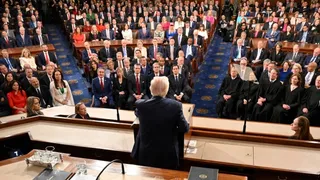
President Donald Trump will step into the House chamber on Tuesday night for a State of the Union address shadowed by the prospect of new US military action on Iran, as his administration sends envoys back to nuclear talks in Geneva and builds up forces in the region.
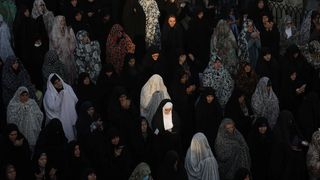
Forty days after more than 36,500 protesters were killed in a two-day crackdown in January, Iranians are marking the traditional chehelom not only in cemeteries but also in the streets and hospitals where the dead fell – a scale of loss that is reshaping how the country mourns.
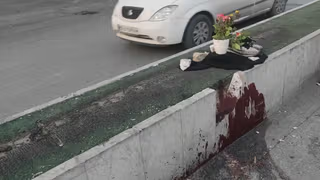
As Iranians mourn those killed in the nationwide crackdown, state-aligned voices are falling back on familiar defenses: downplaying the toll, casting the protests as a foreign plot, and stripping victims of civic status by branding them religious enemies.
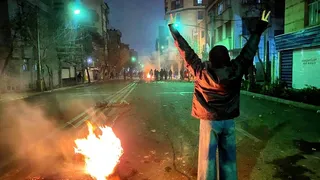
Many Iranians on social media have been referring to Supreme Leader Ali Khamenei as ‘Moush-Ali’ (Rat-Ali), a nickname rooted in reports that he has repeatedly gone into underground seclusion and now echoed at rallies inside Iran and in diaspora protests.
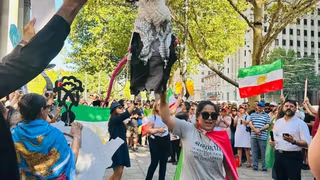
After Iran’s deadliest protest crackdown in decades, authorities have extended their response beyond the streets into morgues, hospitals and family homes, turning the protesters’ bodies into a key tool for suppressing dissent and controlling the narrative.
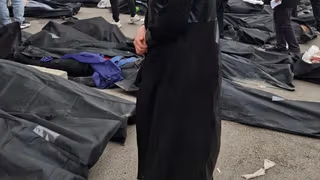
It began with metal shutters dropping in Tehran. At two neighboring shopping centers, shopkeepers on Dec. 28 pulled down their doors as security forces moved in, and the first chants rose from the corridors into the street.
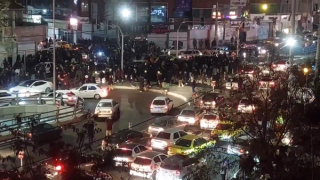
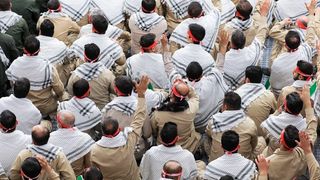
At an official ceremony in Supreme Leader Ali Khamenei's compound on Thursday, a religious official chanted to congregants that US President Donald Trump's death was nigh and that Iran would vanquish Israel.
An Iranian lawmaker said price-based water policies risk serving as fiscal stopgaps rather than tackling the country’s chronic shortages, urging non-price reforms and stricter controls on water-intensive industry placement before any tariff overhaul.
Iran said on Tuesday that enhancing strategic cooperation with the five Caspian Sea littoral states has become a top foreign-policy priority, citing the basin’s growing significance in trade, transit, tourism and energy.

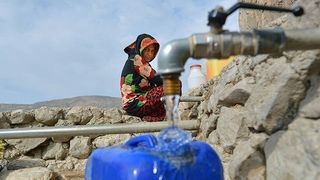
Iran has launched this year’s cloud-seeding operations over the Lake Urmia basin as the country faces one of its worst droughts in decades, with authorities simultaneously urging nationwide rain-seeking prayers as reservoirs run dry and water shortages deepen across major cities.